Interview with Erik Haindl, economist at Vantrust
Por T13 Central

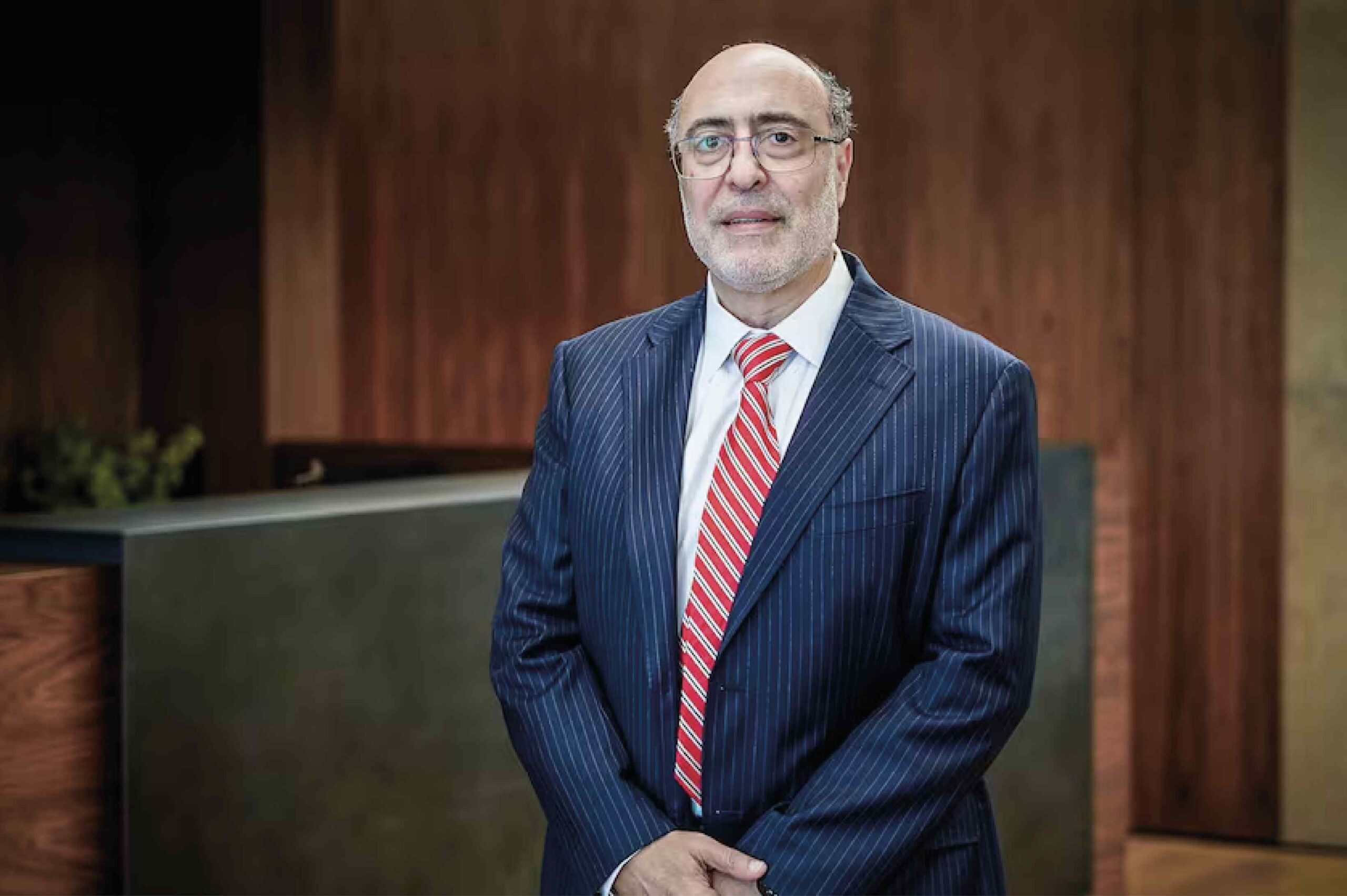
Patricio Nazal, founder and CEO of the financial firm Vantrust Capital Group, explains that they plan to expand into new markets as part of their internationalization strategy, aiming for 50% of their revenue to come from abroad. Under his leadership, the company is consolidating its four business verticals, and the businessman highlights a renewed optimism for investment in Chile.
It was 2007 when Patricio Nazal, seeking independence after his time as finance manager at Banco de Chile and Banco Edwards, founded Vantrust Capital with Alberto Hurtado and Víctor Larraguibel. The firm began as an eight-person office and today manages assets of approximately US$2.5 billion.
The ownership structure changed in 2010 with the departure of Hurtado and Larraguibel, at which point the Nazal family assumed majority control. From this milestone, the company reinvented itself not only to provide private wealth management services, but also to become a comprehensive financial institution, expanding its model to include the creation of a brokerage firm and the development of alternative assets.
In a conversation with Pulso, Patricio Nazal explains that Vantrust seeks to consolidate and generate revenue in its four current business verticals, as well as integrate them to optimize its structure and leverage economies of scale. He says he has no intention of selling and is aiming to enter new markets.
In terms of diversification, the asset manager is executing a 10-year plan with the goal of ensuring that no more than 50% of its revenue comes from local assets and counterparties in Chile. To achieve this goal, it plans to continue strengthening its growth in Peru, where it is already actively involved in real estate projects, and maintain its stake in US assets.
Nazal also reveals that they are exploring new markets such as Paraguay and Panama, although they are waiting to find the right partners before entering.
“Paraguay has a competitive advantage thanks to its simple and low tax structure, with rates of 10% at both the corporate and personal levels. This system makes it an extremely attractive market compared to the higher tax rates we face today in Chile,” explains Nazal.
“We won’t enter a market if we’re late, if we don’t see the opportunity, or if we lack the right partner. Although we evaluated markets like Panama and Paraguay, our focus today is on Spain. We are in talks with the Domenech family to develop financial businesses; it’s a relationship of trust that dates back to 2013, when we were partners in the energy sector before selling to Gas Fenosa in 2018,” he details.
On the other hand, Nazal maintains that he has no plans to retire in the coming decades and wishes to continue working actively. However, the company is already in the process of integrating new generations, as is the case with his daughter, Sofía Nazal, a journalist.
“It’s a broader vision, and I like that my children are part of this.” It doesn’t mean I’m going to retire, because I don’t plan to retire today or in the next fifteen years. For me, happiness is waking up and doing what you love, not just making money. This company may operate in the transactional sector, but it’s not for sale: it was born to endure and transcend time. God willing, that’s the essence of what we’re building,” he says.
VERTICALS
Vantrust structured its operations into four complementary areas to generate recurring and diversified revenue streams.
Nazal points out that Sales & Trading (Treasury) is one of the strongest areas, operating in fixed income and equities, both locally and internationally. Its execution capacity is high, trading between US$80 million and US$90 million daily in local fixed income alone.
The firm’s traditional business is asset management for high-net-worth clients.
The most recent vertical is distribution in the institutional segment. The goal here is to enter the market of pension fund administrators (AFPs), insurance companies, and other major players, distributing third-party funds.
“Each of these four verticals needs time to mature. The distribution business in the institutional segment will surely mature over the next two to three years. We had been very focused on the wealth management market, and now we are beginning to contract in this market,” he states.
In factoring, unlike other companies in the sector that seek aggressive expansion, Vantrust is committed to organic growth and a very rigorous selection of its client portfolio to mitigate credit risks.
When asked if he believes the factoring market lacks sufficient regulatory restrictions, he responds: “I think it’s well regulated. Any regulation you put in place will deter someone who seeks to circumvent it; they will find a way. Therefore, here…”
See source