More seats, same number of women
07.09.2026 | La segunda 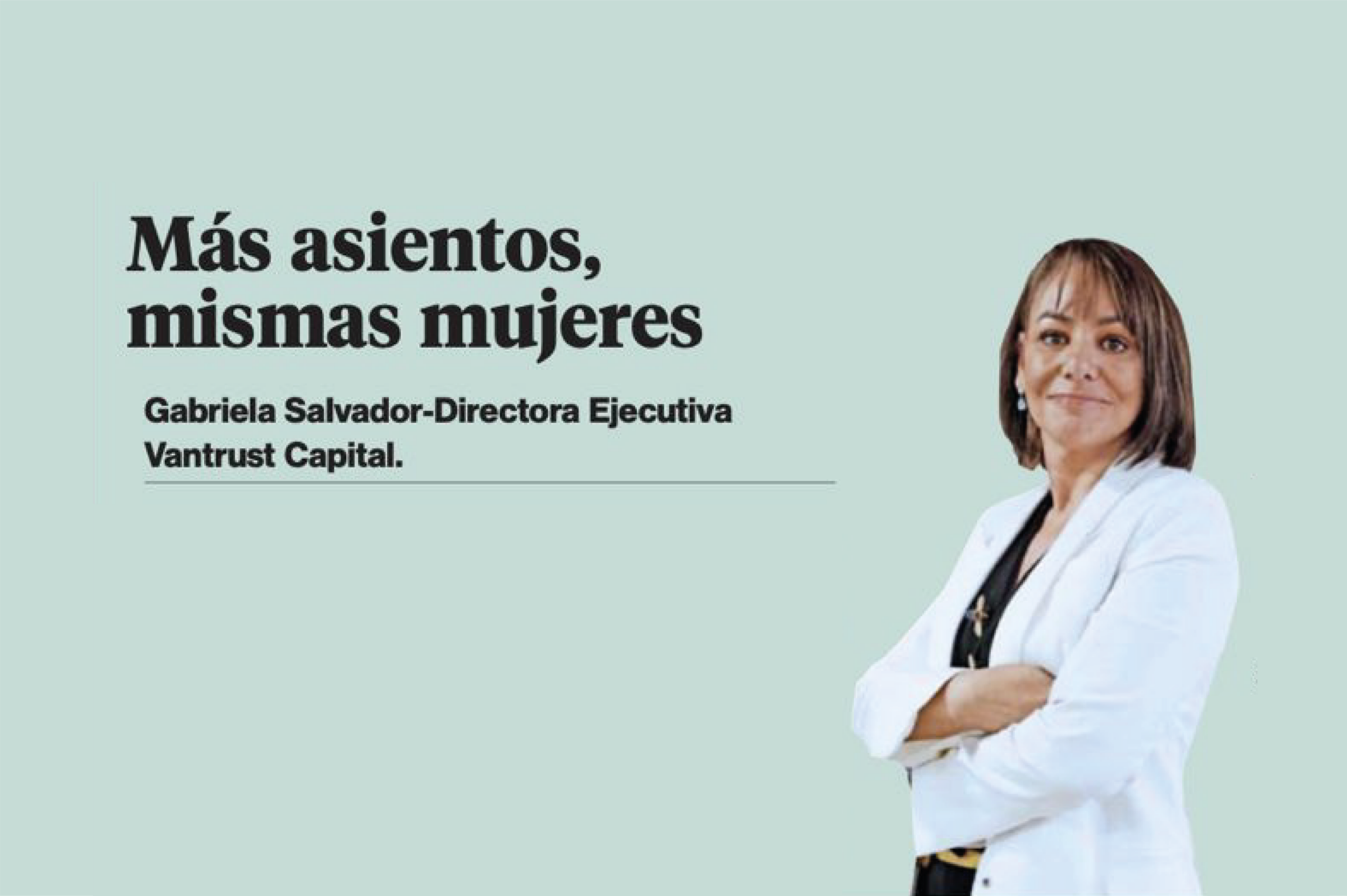
Today, on the boards of directors of the IPSA (Chilean Stock Exchange), there are more chairs occupied by women than there are different women sitting in them. Nearly 20% of the positions are held by women, but this progress is concentrated among the same names. The picture is better than it was a decade ago, but the perspective remains narrow.
In an environment marked by technological disruption, geopolitical tensions, and growing distrust of elites, organizations need more than symbolic gestures.
It’s not enough to simply add more chairs; what matters is who sits in them and what perspective they bring. True diversity isn’t just a number in a report: it’s a strategic advantage that redefines what is discussed, how decisions are made, and what risks people are willing to take.
Chile currently grapples with three simultaneous distortions: boards of directors without any women, female directors who hold multiple seats, and corporate governance structures that expand to comply with regulations without redistributing power. Three shortcuts, one same result: progress that doesn’t change the conversation. The law is passed, the shortcuts are taken.
The blind spot isn’t just at the entrance, but in the power structure itself. The question isn’t how many women arrive, but who they are, from where, and with what room for dissent.
When diversity is limited to rotating the same people, the message is clear: the circle only opens as far as it doesn’t cause discomfort.
It’s necessary to limit the concentration of positions, expand the talent pool, and build a real pipeline from the executive levels. Without that, any quota will be cosmetic, and any percentage, misleading. Diversity isn’t measured by how many people enter, but by how much the decisions change.
See source